Pool guide
Private indoor pools
Private indoor and covered pools are the most reliable way to swim on a winter or shoulder-season cabin trip. Here is what to look for and what to ask.
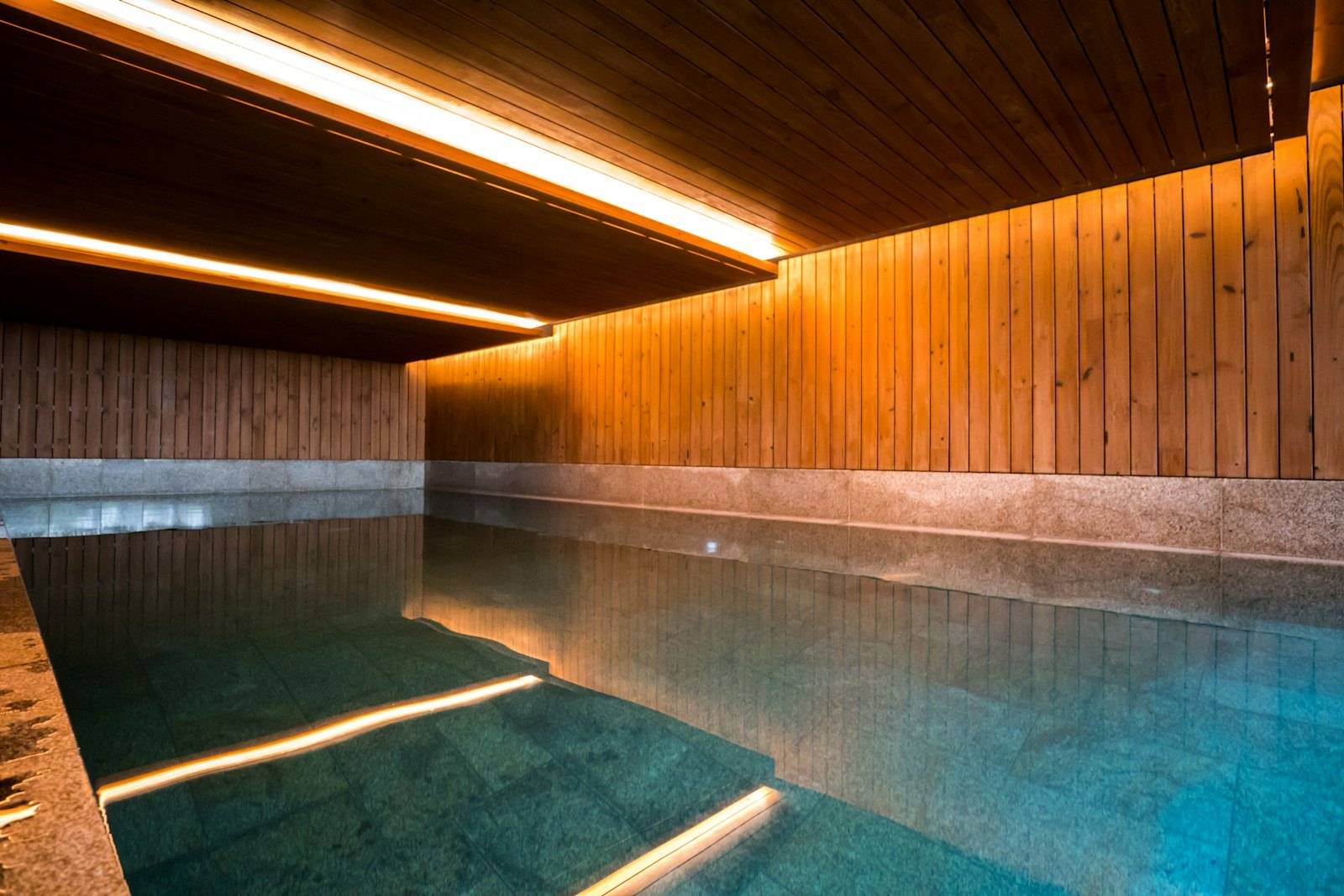
When an indoor pool is worth it
An indoor or fully enclosed pool takes weather out of the equation. It’s the dependable choice for winter holidays, spring and fall trips, and rainy weeks, and in mountain cabin country it’s what makes a year-round pool possible. In the Great Smoky Mountains in particular, several of the cabin managers we’ve researched list private indoor pools, often on a lower level of larger cabins with a game room nearby.
Indoor is not automatically warm
“Indoor” describes the room, not the water. Ask about both:
- Water temperature. Is the pool heated, and to roughly what temperature in your travel month?
- Air temperature. Is the pool room heated or climate-controlled? A warm pool in a cold room isn’t much fun in January.
- Humidity and ventilation. Well-run pool rooms have dehumidification. A musty smell is a sign to ask questions.
Size, depth and safety
Indoor pools in cabins vary from small soaking pools to long lap pools. Check the depth (one we’ve researched runs about 3 to 5 feet, with no deep end), whether there’s a door or gate to the pool room for families with young children, and whether diving is allowed. Usually it isn’t.
Covered and retractable pools
Some properties have a covered pool: a roofed or screened pool house, or a pool enclosure that opens in summer. These can be excellent, but ask whether the enclosure is fully closed and heated in cold weather, or only shaded.
How PoolCabinFinder labels indoor pools
Listings say indoor, covered or outdoor, as stated by the owner, manager or cited source, and list heating separately. When an indoor pool’s heating isn’t confirmed, we say so rather than assuming. Pair this guide with heated pools and our season-by-season guide.
Updated